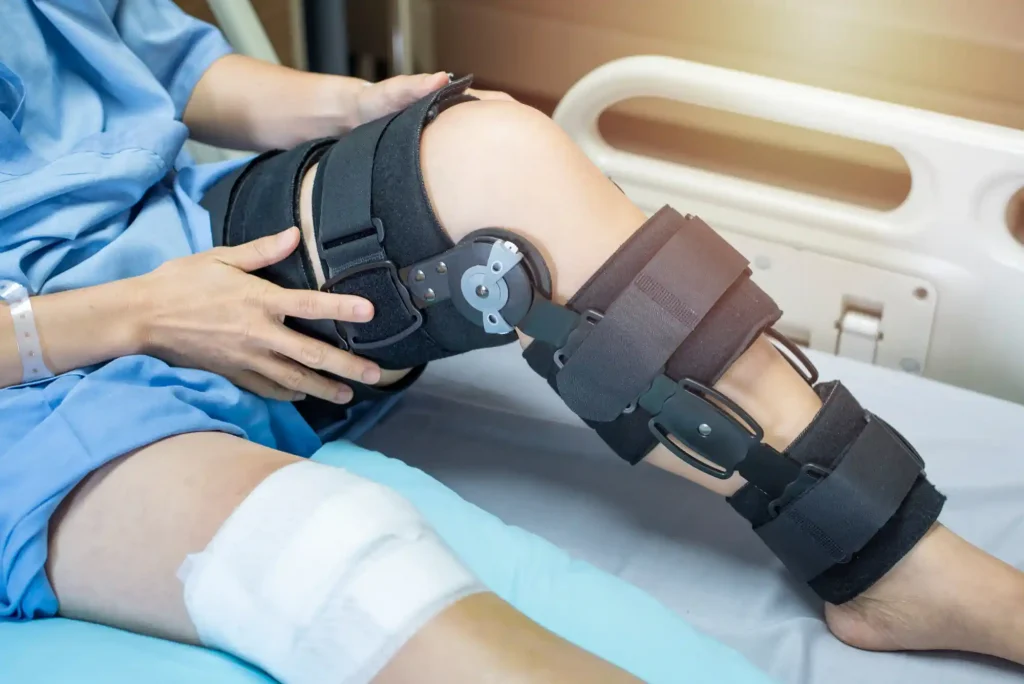

Knee pain can significantly affect daily life, making even simple tasks like walking, climbing stairs, or standing up painful and difficult. The treatment for knee pain depends on the severity, underlying cause, and individual health factors. Fortunately, modern medicine offers a range of options, from conservative management to surgical intervention, tailored to meet each patient’s needs.
For mild to moderate knee pain, conservative treatments are often effective. Physiotherapy is a cornerstone of non-surgical management, focusing on exercises to strengthen the muscles around the knee, improve flexibility, and restore proper joint function. Targeted exercises, stretching, and low-impact aerobic workouts can alleviate pain and reduce the risk of future injury. Alongside physiotherapy, medications such as anti-inflammatory drugs or pain relievers may be prescribed to manage discomfort and swelling.
Other knee pain treatment options include:
- Injections (corticosteroids or hyaluronic acid) to reduce inflammation.
- Lifestyle modifications like weight management and supportive footwear.
- Arthroscopy for repairing cartilage, removing debris, or ligament issues.
- Partial or total knee replacement in severe joint damage.
Early diagnosis is crucial to determining the most suitable treatment. Ignoring knee pain or delaying intervention can lead to worsening of the condition, reduced mobility, and a lower quality of life. Consulting with an orthopedic specialist ensures personalized care, addressing both symptoms and underlying causes. By combining appropriate treatment with preventive measures like exercise and joint protection, individuals can maintain healthy knees and regain active lifestyles.
knee pain treatment, physiotherapy for knee pain, knee surgery options, knee pain relief, arthritis knee treatment, knee replacement, non-surgical knee care